A single, well-kept notebook can be the difference between a frantic scramble to rebook a favorite getaway and a seamless departure for your next adventure. Rather than relying on a scattered trail of digital receipts and mental notes, a dedicated physical or digital log allows you to capture the nuances of a trip while they are still vivid.
Distinguishing Fact from Feeling
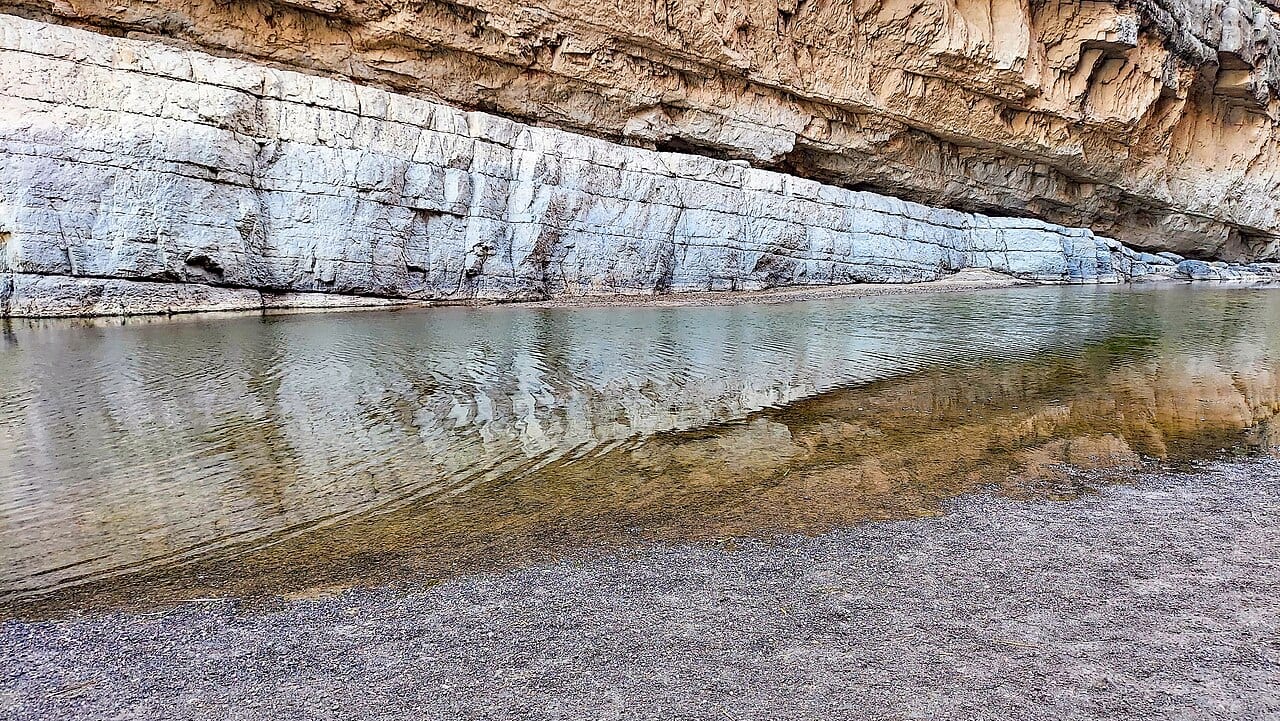
The most effective travel notebooks do not treat all information as equal. To make a notebook useful for a future version of yourself, you must categorize your entries. One section should be reserved for hard confirmations: the date, the name of the establishment, and the specific reservation number. Another section should be dedicated to personal observations—the specific shade of blue in a coastal cove or the exact texture of a local pastry.
By keeping these distinct, you avoid the frustration of trying to remember if a specific restaurant was actually great or if you simply enjoyed the weather that day. When you look back, you will know exactly what was a logistical success and what was a sensory delight.
Managing the Domestic Tug-of-War
For many travelers in the Dallas–Fort Worth area, the mental load of a trip extends far beyond the departure gate. The challenge often lies in the tension between the desire to unplug and the necessity of managing home and work commitments. A notebook can serve as a bridge between these two worlds.
For example, if you are coordinating a trip during a busy season at the office, your notebook might include a section for "Pre-Departure Checklists." This isn't just for packing; it is for the mental hand-off. You might record the date you confirmed your mail hold, the status of your lawn care arrangements, or the specific person who is covering your urgent client inquiries. This allows you to close your laptop with the confidence that your domestic and professional responsibilities are accounted for.
The Value of Unanswered Questions
Every trip leaves behind a trail of "almosts." Perhaps you wanted to visit a specific museum but found it closed for renovations, or you wondered if a certain hiking trail was suitable for a specific time of year. Instead of letting these curiosities fade, create a dedicated space for unanswered questions.
When you encounter a gap in your knowledge, write it down with the date of the encounter. If you find yourself at a boutique hotel and wonder about their seasonal shuttle service, note the question. When you return home, you can address these queries at your leisure. This turns a single trip into a continuous learning process, ensuring that your next visit is informed by the gaps left behind by the last.
As you prepare for your next departure, decide on a format that suits your rhythm. Whether it is a leather-bound journal or a structured digital file, the goal remains the same: to create a resource that respects both your past experiences and your future needs. Start by deciding which categories will best serve your specific way of traveling.