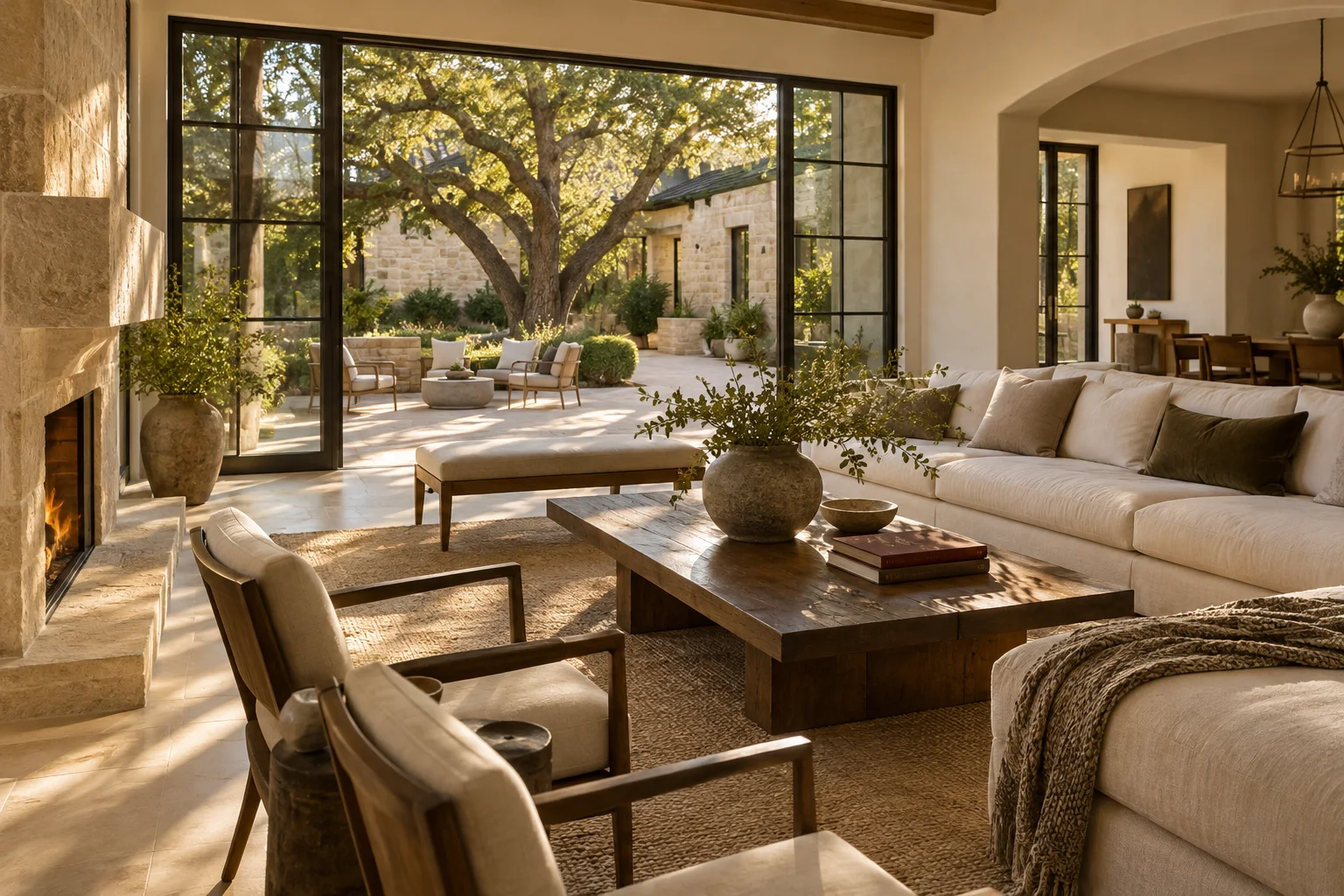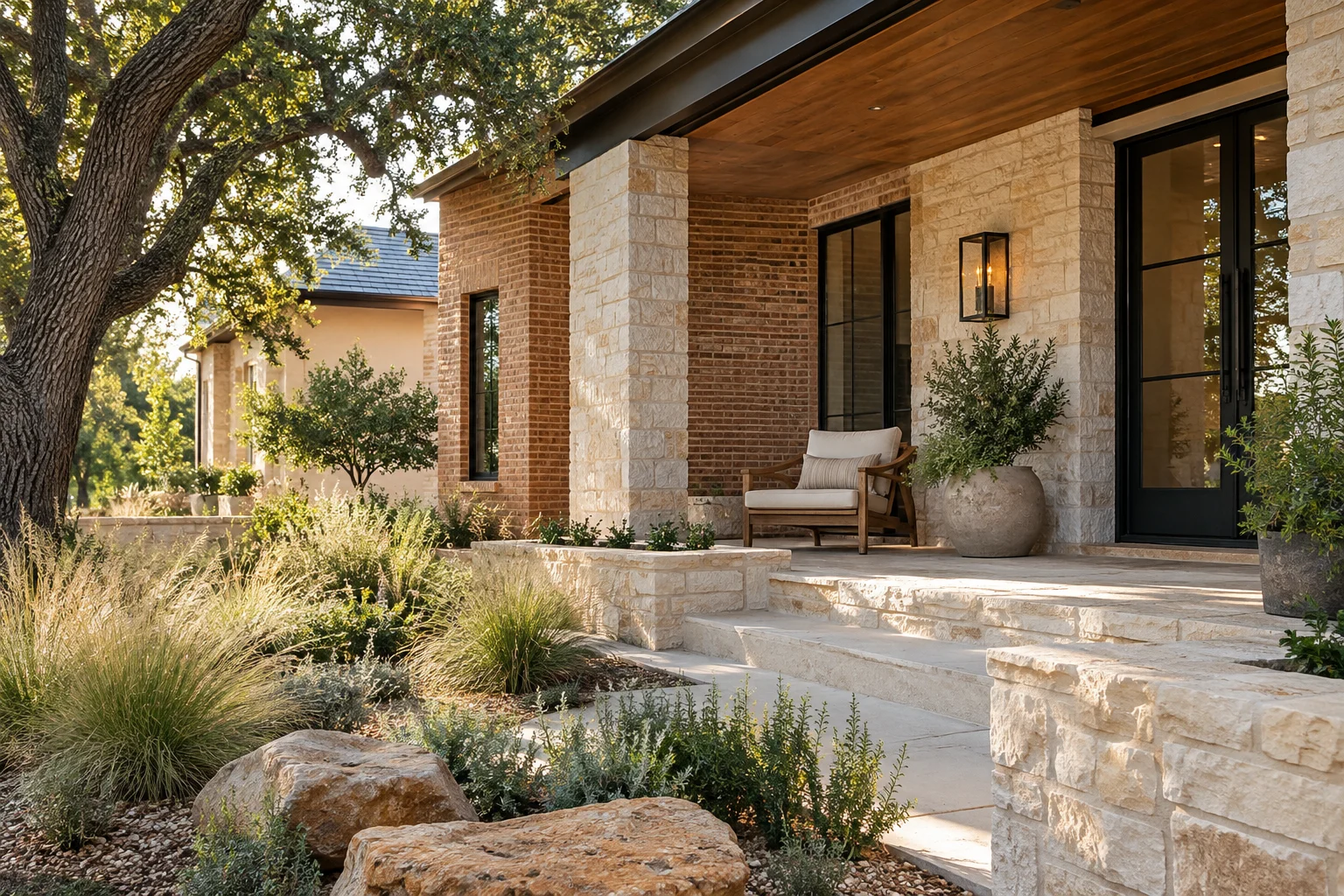
A small patio offers a distinct opportunity to extend the living area of a home, but its limited footprint requires a decisive choice. Rather than attempting to accommodate every possible activity, the most successful small spaces focus on a single, clear purpose. Whether you prioritize a solitary nook for reading, a central table for dining, or a comfortable arrangement for conversation, the intended use dictates every subsequent decision.
The Weight of a Single Purpose
Selecting a primary function creates a necessary tradeoff between variety and comfort. If you attempt to fit a dining set, a lounge chair, and a coffee table into a compact area, you may find the space becomes cluttered and difficult to navigate. Conversely, committing to a single activity allows you to select pieces that maximize the available square footage. For example, if you choose conversation as your theme, you might opt for deep-seated chairs arranged in a tight circle, which prioritizes intimacy over the ability to host a formal meal.
For example, if you decide the patio is a dining zone, your focus shifts to the ergonomics of the table and the clearance needed to pull out chairs. If you instead choose a reading retreat, you might prioritize a single, high-quality armchair and a small side table for a book or a drink, leaving the rest of the area open and uncluttered.
Testing the Layout
Before committing to any furniture, use the actual space to test potential arrangements. You can do this by marking out the dimensions of your intended pieces using masking tape or by placing temporary items like cardboard boxes in their place. This physical step reveals how much walking room remains once the furniture is positioned. Pay close attention to the flow of movement; a beautiful chair is of little use if it blocks the path from the back door to the garden.
Observe how the light moves across the space at different times of the day. A reading nook that feels bright at noon might be cast in deep shadow by mid-afternoon, potentially altering how you use the area. Similarly, consider how the placement of furniture affects the view from your interior windows.
Preparing for the Setup
Once you have a layout in mind, address the logistics of access and installation. If you are ordering larger pieces, ask the retailer how they handle delivery to your specific patio location and whether they provide assembly on-site. If the patio is accessed through a narrow doorway or requires navigating steps, confirm whether the furniture dimensions will clear those points of entry.
If you are considering permanent additions like built-in seating or lighting, ask a contractor which approvals apply and who would arrange them. Determining these details early ensures that your transition from a blank slab to a functional retreat is seamless and avoids unexpected logistical hurdles.