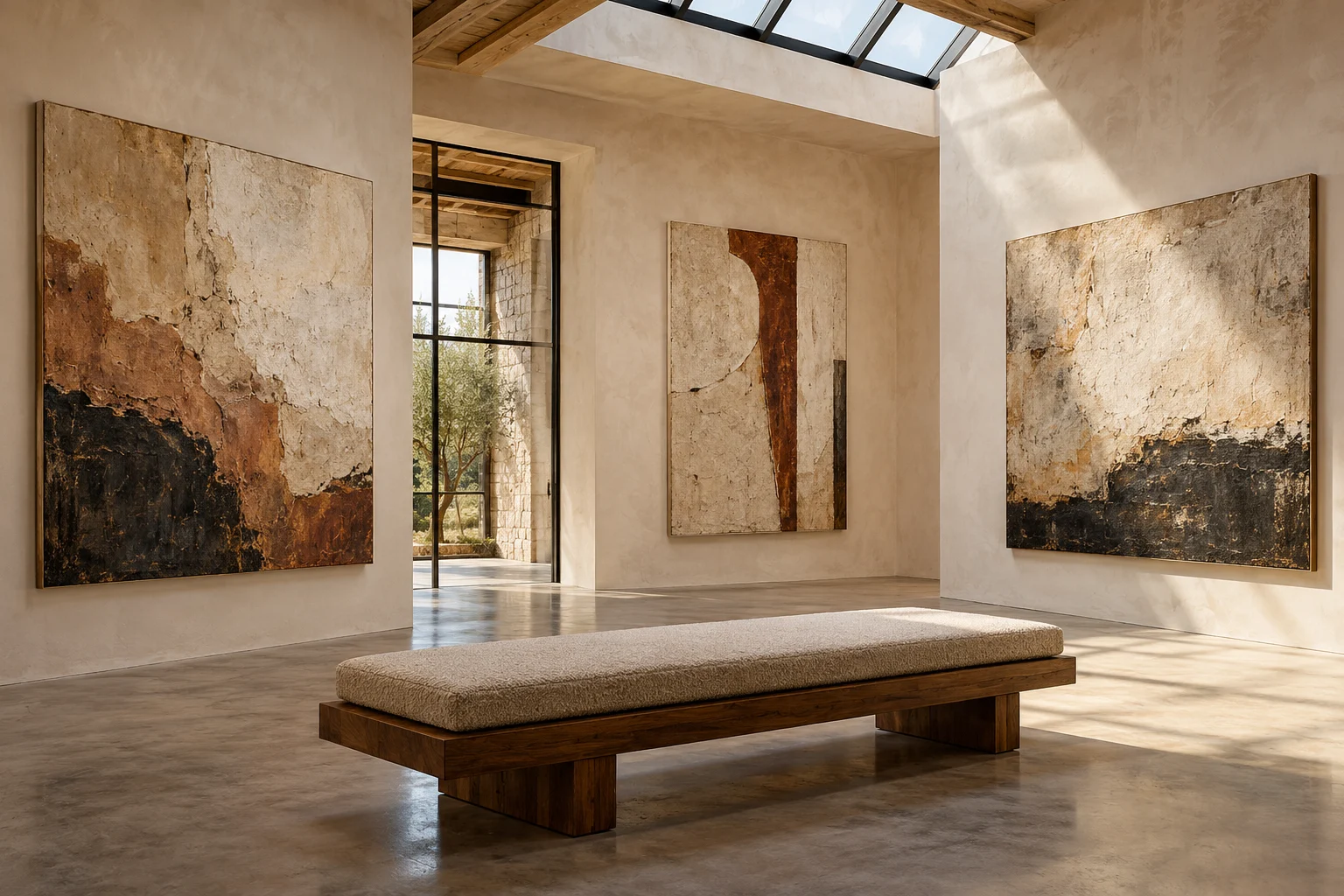
A sudden splash of crimson against a muted gray canvas catches the eye. Nearby, a sculpture composed of jagged, rusted iron seems to vibrate under the gallery lights. These are the immediate, sensory reactions that occur the moment you step into a new exhibition. You might feel a sense of unease, a flicker of curiosity, or perhaps nothing at all. These internal responses are the starting point of any encounter with art.
The Gap Between Sight and Statement
As you move through the space, you will likely encounter placards or audio guides providing the creator’s perspective. These descriptions offer context, explaining the intent behind a specific brushstroke or the history of a chosen medium. However, a distinction exists between what the artist intended and what you actually perceive. A piece described as an exploration of 'industrial isolation' might feel, to you, like a celebration of structural strength. Neither view is incorrect; they are simply different layers of the same encounter.
The tension often arises when a group attempts to align their observations with the provided explanations. There is a subtle pressure to find the 'right' meaning, as if the artist has left a hidden key that must be discovered to complete the experience.
The Burden of the Organizer
For the person coordinating the outing, this social dynamic adds a layer of logistical complexity. You are not just managing a schedule or a meeting time; you are managing the collective mood of the group. You might find yourself worrying whether the chosen venue is too quiet for a lively discussion or if the subject matter is too challenging for everyone to enjoy equally.
For example, if you are planning a Saturday afternoon trip for a group of six, you face a tradeoff between a large, high-traffic museum and a smaller, niche gallery. The large museum offers more variety and perhaps more amenities, but the crowds can make sustained conversation difficult. The smaller gallery might offer a more intimate setting, but it could feel restrictive if the group wants to linger or move around freely. Your role involves weighing these environmental factors against the group's temperament.
Planning the Conversation
To move beyond the pressure of being 'right,' focus on preparing observations rather than conclusions. Instead of asking, "What does this mean?", consider asking your companions, "What part of this piece drew your eye first?" or "How does the scale of this work change how you feel standing near it?"
Before the group arrives, you may want to review the exhibition details to understand the flow of the space. Ask the venue whether they allow group gatherings in specific areas or if there are designated times when the galleries are less crowded. By focusing on the sensory details and the logistical comfort of your guests, you transform the outing from a test of art history into a shared moment of observation.