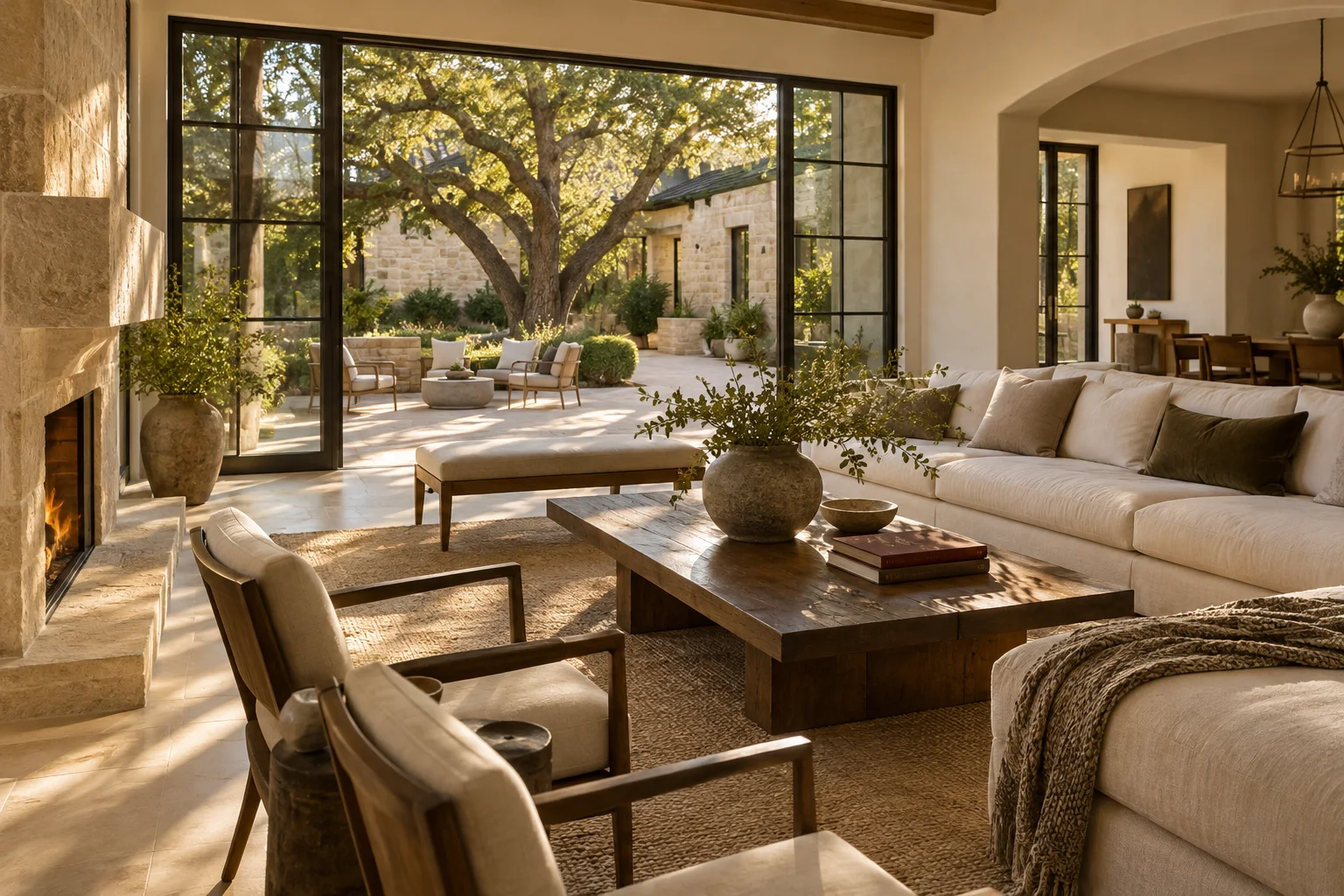
A digital folder overflowing with interior design screenshots is a common starting point for any home refresh. You might have a collection of high-ceilinged living rooms, textured textiles, and specific lighting fixtures that catch your eye. However, a gallery of images often lacks the context necessary to guide a professional toward your specific vision. The transition from passive browsing to active planning is what turns a dream into a manageable project.
Identifying the Core Elements
The first step in refining your collection is to move beyond the surface level of an image. A photograph can show a beautiful velvet sofa, but it cannot communicate how you intend to use your space. To prepare for a discussion with a designer, you must annotate your selections. Instead of simply saving a photo of a sun-drenched reading nook, note whether you admire the specific shade of blue on the walls, the way the light hits the floor, or the height of the shelving.
Consider the constraints of your own home. A photo of a sprawling, open-concept great room is inspiring, but it does not account for the specific dimensions or the existing architectural features of your residence. When you look at an image, ask yourself: What exactly is working here, and what would not work in my house? Identifying the specific element—be it a texture, a color, or a layout—allows you to separate the feeling of an image from its literal components.
Balancing Aesthetics and Utility
Every design choice involves a balance between how a room looks and how it performs. For example, if you find a stunning image of a minimalist dining room with polished stone surfaces and low-slung, delicate chairs, you must weigh that aesthetic against your daily reality.
Imagine you have a household that frequently hosts large, informal Sunday dinners or perhaps has young children. The sleek, high-maintenance stone and the fragile furniture in your inspiration photo might look impeccable in a magazine, but they could create friction in your actual routine. In this scenario, the tradeoff is between the visual purity of the design and the practical durability required for your lifestyle. Documenting these preferences—such as a need for stain-resistant fabrics or more robust surfaces—is just as important as selecting the color palette. A design that looks perfect but fails to accommodate your movement or your family's habits is a design that will eventually require correction.
Directing the Professional Collaboration
Once you have moved from passive browsing to active annotation, you are ready to engage with a professional. Rather than presenting a pile of unorganized photos, present a curated set of observations. This allows the designer to see not just what you like, but why you like it. This clarity prevents the frustration of a designer delivering a concept that matches your images but misses your intent.
Prepare a list of specific questions to help guide the collaboration. Ask the designer how the styles you have selected can be adapted to fit the specific footprint of your room. Ask how they suggest balancing the visual elements you love with the practical requirements of your family's habits. By providing a structured set of notes that include both your visual goals and your functional constraints, you transform a collection of pictures into a coherent roadmap for your home. This preparation ensures that the final result is not just a copy of a photograph, but a tailored environment that functions as intended.

