A stack of warm containers sits on the coffee table, but the excitement of a shared meal quickly fades when the first person reaches for a container only to find it contains something they cannot eat. Coordinating takeout for a group often feels like managing a complex logistics operation, especially when individual preferences and dietary requirements vary significantly. Success lies in the preparation that happens before the restaurant even receives the order.
Collecting the Details
The most common friction point in group dining is the ambiguity of individual requests. When a group communicates through a scattered thread of text messages, important details often slip through the cracks. To avoid this, establish a single point of collection for all preferences. Instead of asking, "What does everyone want?", try providing a structured way for guests to submit their choices. This might involve a shared digital note or a simple list where each person specifies their main dish, any necessary modifications, and any specific dislikes.
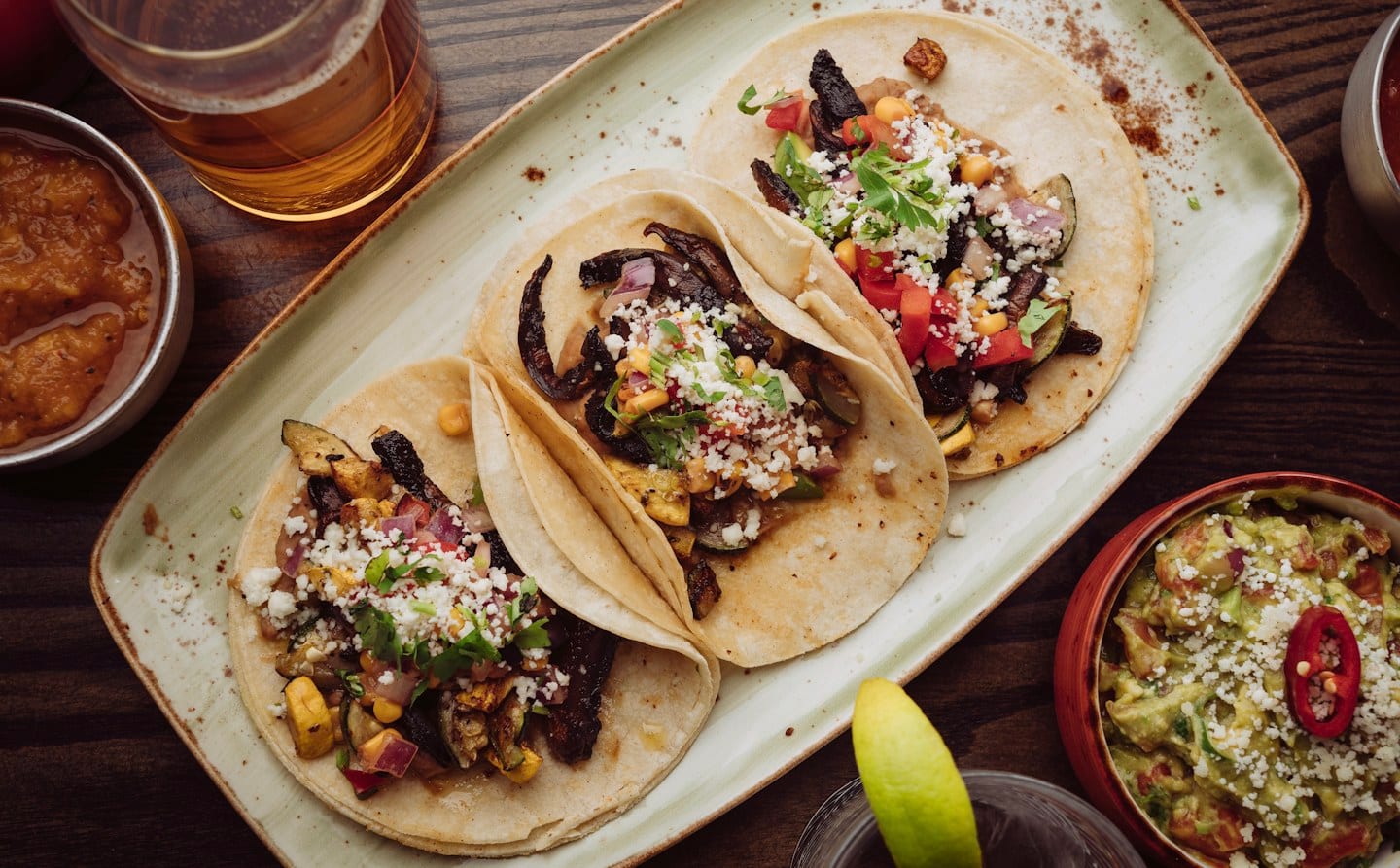
For example, if you are ordering from a local taco shop, a vague request like "two carnitas tacos" might lead to a mistake if one guest requires no onions and another wants extra lime. A more effective approach is to require that every entry includes the specific modification. This turns a guessing game into a precise inventory. By requiring individuals to be explicit, you remove the burden of interpretation from the person placing the order.
Balancing Complexity and Accuracy
A meaningful tradeoff exists between simplicity and precision. An order consisting of ten identical meals is easy for a kitchen to execute, but it ignores the needs of the group. Conversely, an order with twenty different custom modifications reduces the chance of a hungry guest being disappointed, but it increases the likelihood of a clerical error during a kitchen rush. Finding the balance means prioritizing the most critical modifications while keeping the overall menu selection manageable.
Once the list is compiled, the person placing the order takes on a vital role. When dealing with complex modifications, the person ordering should confirm how the restaurant handles specific requests. Ask the restaurant staff how they mark or distinguish items that have been altered from the standard recipe. You might also ask if they provide separate containers for items with distinct ingredients to prevent cross-contact during transport.
Managing the Arrival
The final step occurs when the bags arrive. To prevent the inevitable scramble of searching through containers, implement a labeling system immediately upon arrival. Use a permanent marker to write names or specific identifiers directly on the lids of the containers. If the restaurant provides receipt stickers, check that they correspond to the individual portions.
If you find that an item looks different than what was requested, ask the provider if they can clarify the contents of that specific package based on their order log. By organizing preferences, verifying details with the staff, and labeling the results, you ensure the meal remains a social highlight rather than a logistical headache. A well-managed order respects the time of the kitchen and the needs of the guests, allowing the focus to remain on the conversation rather than the containers.