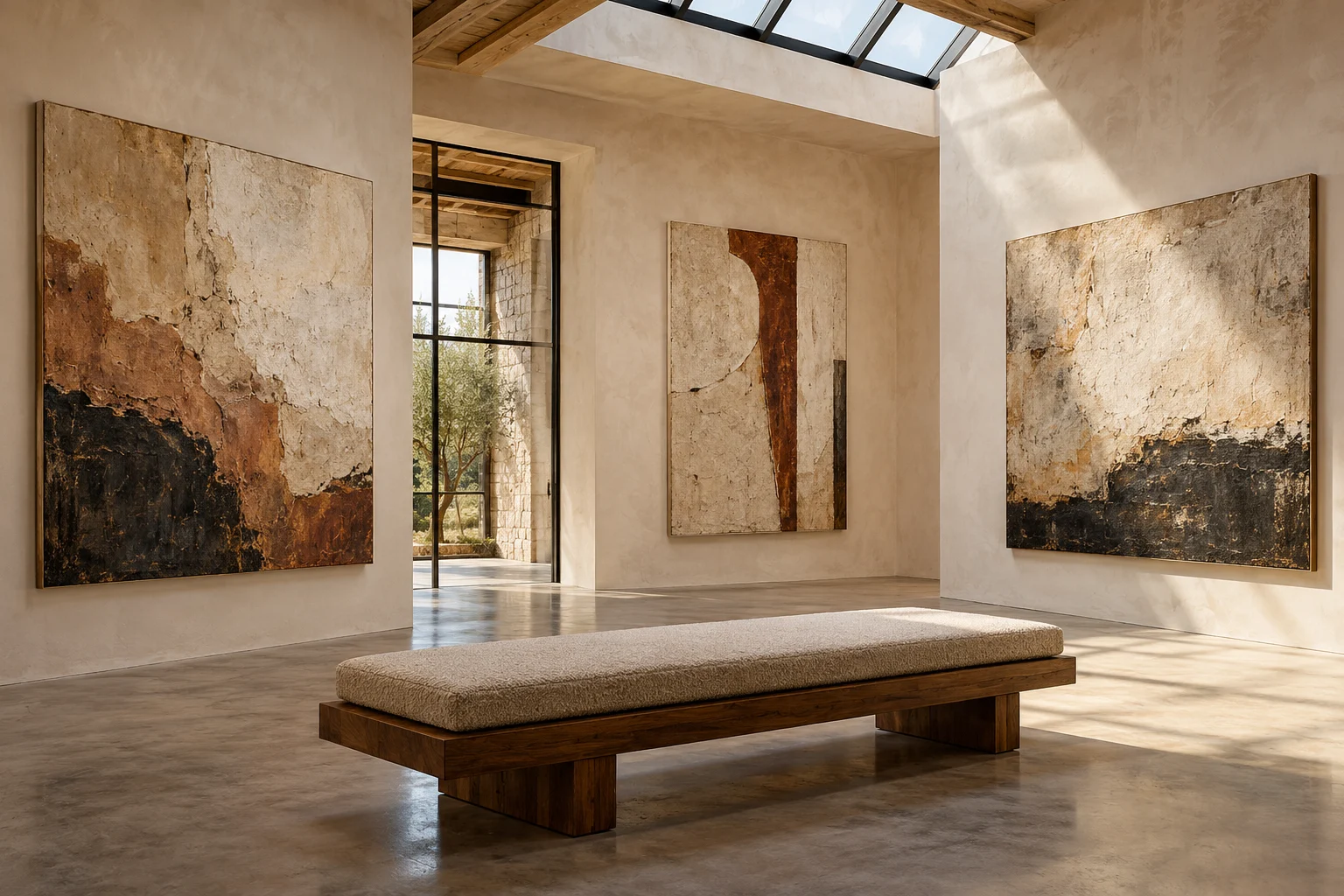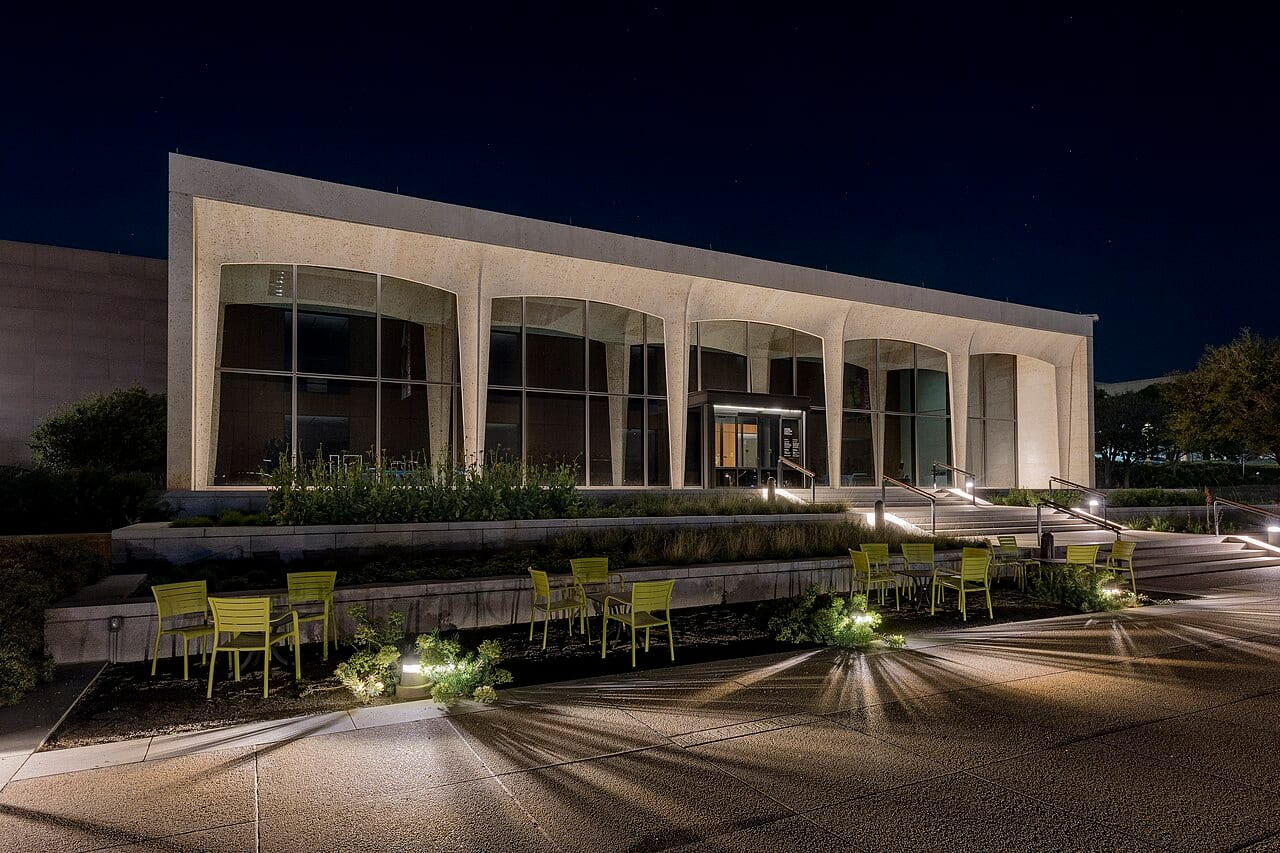
A sudden recommendation for a quiet courtyard café or a specific exhibition at a local gallery often arrives in a burst of enthusiasm. We capture the name of the place, perhaps snapping a quick photo, only to have the details dissolve into the noise of our digital lives. To keep these discoveries useful, we must move beyond the mere capture of a name and toward a structured record.
The anatomy of a meaningful note
A useful cultural log requires more than a timestamp. When you find a piece of art, a specific dish, or a unique neighborhood pocket, record the creator or the source of the information. Knowing whether a recommendation came from a long-time resident or a recent review provides context that a name alone cannot.
Crucially, document why the moment resonated with you. Was it the specific lighting in the room, the texture of the service, or the way the music complemented the atmosphere? This personal layer turns a dry list into a sensory map. Finally, attach a specific question to the entry to prompt a future revisit. Instead of writing "Visit again," try asking, "How does this space feel on a rainy Tuesday afternoon?" or "Does the menu change significantly with the seasons?"
Navigating group dynamics
The challenge of sharing these finds intensifies when you are part of a group with varying communication preferences. Some friends may thrive on a shared, live digital document that updates in real-time, while others might find constant notifications intrusive and prefer a quiet, monthly summary sent via email.
For example, if you are planning a weekend outing with a group of five, you might find that two members want a detailed itinerary sent a week in advance, while the other three prefer spontaneous, text-based decisions on the day of the event. The tradeoff here is between the security of a well-laid plan and the freedom of flexibility. If you over-plan, you risk frustrating the spontaneous members; if you under-plan, the organized members may feel the outing lacks direction.
Building a shared repository
To bridge these gaps, consider creating a central repository that serves different needs without requiring constant interaction. A simple, shared digital note can act as the "source of truth," allowing the planners to see the details they crave, while the spontaneous members can check it only when they are ready to move.
When adding to this collection, ensure you include the specific logistical details that prevent friction later. Note the accessibility of the location or the preferred method of contact for reservations. By recording the work, the creator, and your personal reasoning, you ensure that a single afternoon of discovery becomes a repeatable experience for your entire circle.