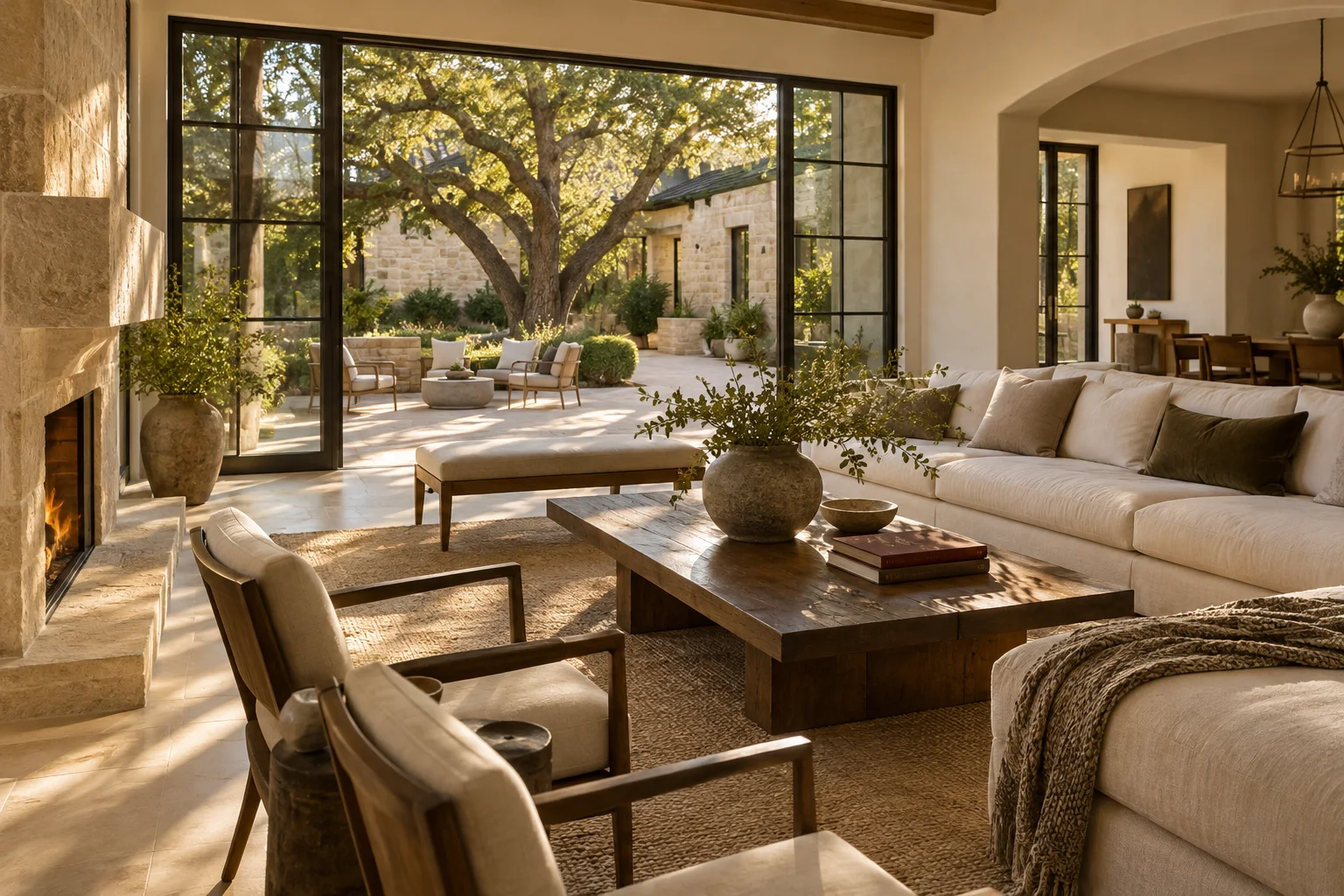
A stack of notebooks sits on your coffee table, filled with sketches of floor plans, swatches of color, and various dimensions written in pencil. You have spent weeks gathering inspiration and noting the exact measurements of your living room, yet the transition from a collection of notes to a final purchase feels stalled. The data is all there, but the actual impact of a large textile on your daily movement remains an abstraction. You are caught in the space between a useful collection of data and a clear next action.
The Paper Blueprint
The gap between a written measurement and a physical sensation is often where decorating decisions falter. A rug that looks correct on a notepad might inadvertently disrupt the flow of a room once the furniture is in place. To bridge this gap, consider creating a physical proxy for the rug using inexpensive butcher paper or old newspapers. This method allows you to visualize the scale without the financial commitment of the textile itself.
Cut the paper to the exact dimensions of the rug you are considering. Lay the paper directly onto your floor, positioning it amidst your current seating arrangement. This transforms a static note in a journal into a tangible boundary within your home. It allows you to see the literal footprint of the item and how it interacts with the edges of your existing furniture.
Testing the Flow
Once the paper outline is taped to the floor, observe how it changes your interaction with the room. A rug is not merely a visual anchor; it is a surface that dictates where feet land and how furniture sits. Use the paper to simulate the physical constraints of the new piece. Walk the perimeter of the room and notice how your body moves around the simulated edges.
For example, if you are deciding between a rug that sits entirely under the sofa legs and one that merely brushes against them, the paper outline will reveal the difference. Do you find yourself stepping on the edge of the paper as you move from the doorway to the armchair? Does the outline force a narrow path between the coffee table and the television stand? These small adjustments to walking routes can change the perceived openness of a space.
Evaluating Personal Tradeoffs
This stage is less about following formal design principles and more about your personal comfort. You may face a tradeoff between a rug that feels grand and expansive and one that feels intimate and contained. A larger rug might unify a seating area but could also make a room feel crowded if the paper outline shows it encroaching on major walkways. Conversely, a smaller rug might leave too much bare floor, potentially making the furniture feel like it is floating disconnectedly.
As you move from the planning phase to the selection phase, ask yourself if the paper outline feels restrictive or liberating. If the paper makes the room feel smaller than you desire, you might reconsider the scale. If the layout feels cohesive and the walking paths remain clear, your notes have finally found their purpose. Once you are satisfied with the paper footprint, you can move forward with the confidence that the physical reality matches your written intentions.

