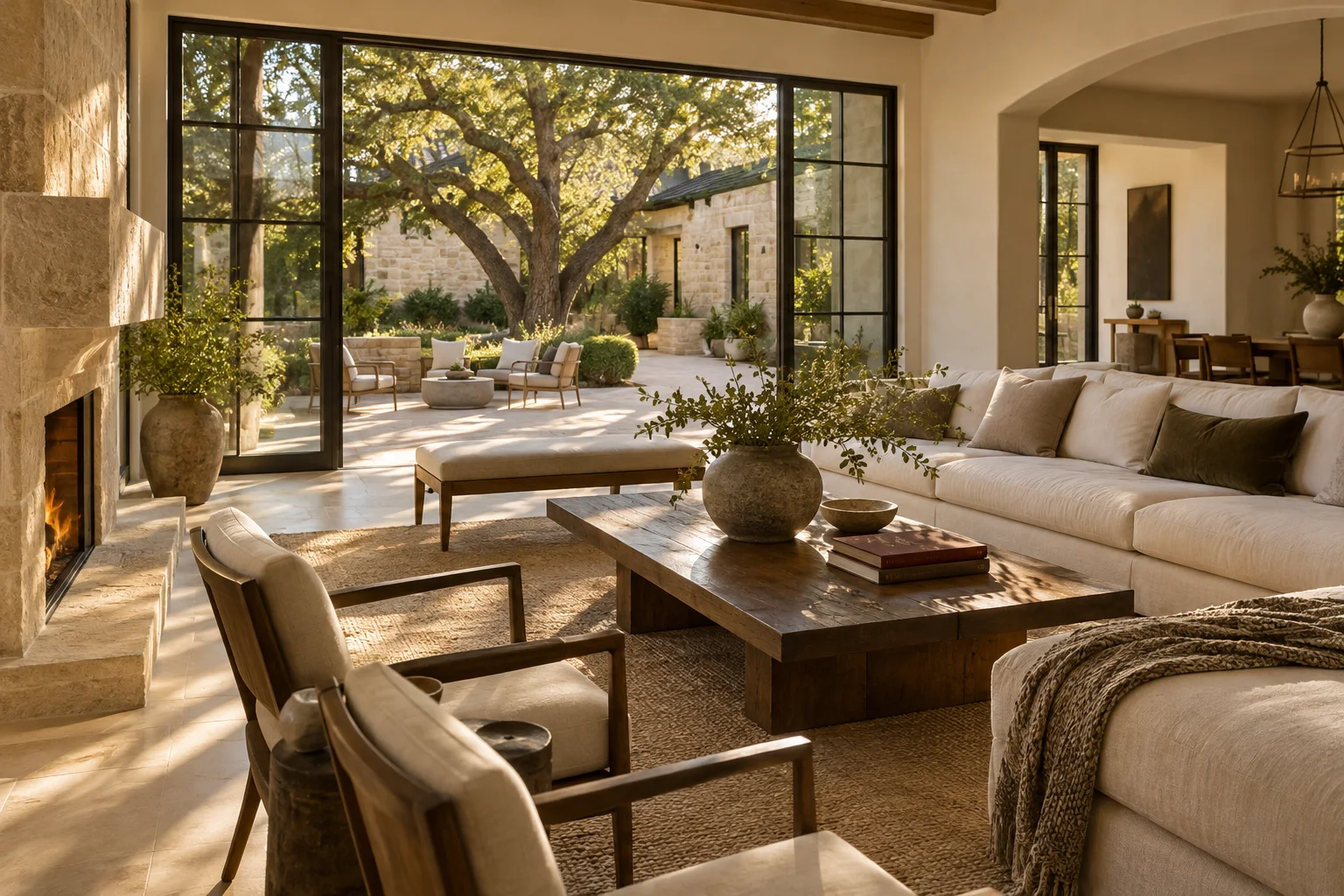
A window is more than a pane of glass; it is a portal for light, a barrier for privacy, and a frame for the landscape outside. Choosing how to dress these openings is a decision that shapes the atmosphere of a room. However, the vision you held when you first moved into a home often shifts as your daily rhythms and needs change.
The Shift in Perspective
Sometimes, a room that felt perfectly balanced a year ago suddenly feels too bright or too exposed. You might find that a sun-drenched breakfast nook, once cherished for its morning glow, now feels uncomfortably hot during a North Texas afternoon. Or perhaps a living area that once felt airy now feels too visible to neighbors during evening gatherings. When these shifts occur, the goal is not just to replace what is there, but to recalibrate the relationship between your interior comfort and the exterior environment.
For example, if you recently moved a home office into a former guest bedroom, you might find that the glare on your screen makes work difficult, even if the previous window treatments worked well for a sleeping space. You are no longer just managing light for ambiance; you are managing light for utility. This change in function requires a reassessment of how much visibility you want from the street and how much control you need over the sun's path throughout the day.
Balancing Light and Privacy
Every choice involves a trade-off. A treatment that offers absolute darkness may strip a room of its connection to the outdoors, while a highly transparent option might leave you feeling vulnerable when the lights are on inside at night. Consider the specific times of day when you feel the most need for adjustment. Do you want to see the silhouettes of trees against a twilight sky, or do you prefer a solid visual boundary?
Observe how the light moves through your specific windows. Note where the shadows fall and which angles of the sun cause the most disruption to your routine. These observations will be more useful to a supplier than any technical measurement you might attempt to take yourself.
Preparing Your Inquiry
When you meet with a supplier to discuss new options, move beyond simple aesthetics. Instead of focusing solely on color or pattern, focus on the experience you want to achieve. Ask the professional how their recommendations address the specific light patterns and privacy concerns you have identified in your home.
You might also ask how different materials respond to the heat you feel in certain rooms or how the mechanism for adjusting the coverage will feel during daily use. If you are concerned about the visual weight of the treatments, ask how the scale of the design will impact the perceived size of your windows. By focusing on these functional outcomes, you ensure that your new window treatments serve the current reality of your home rather than a memory of how it used to be.