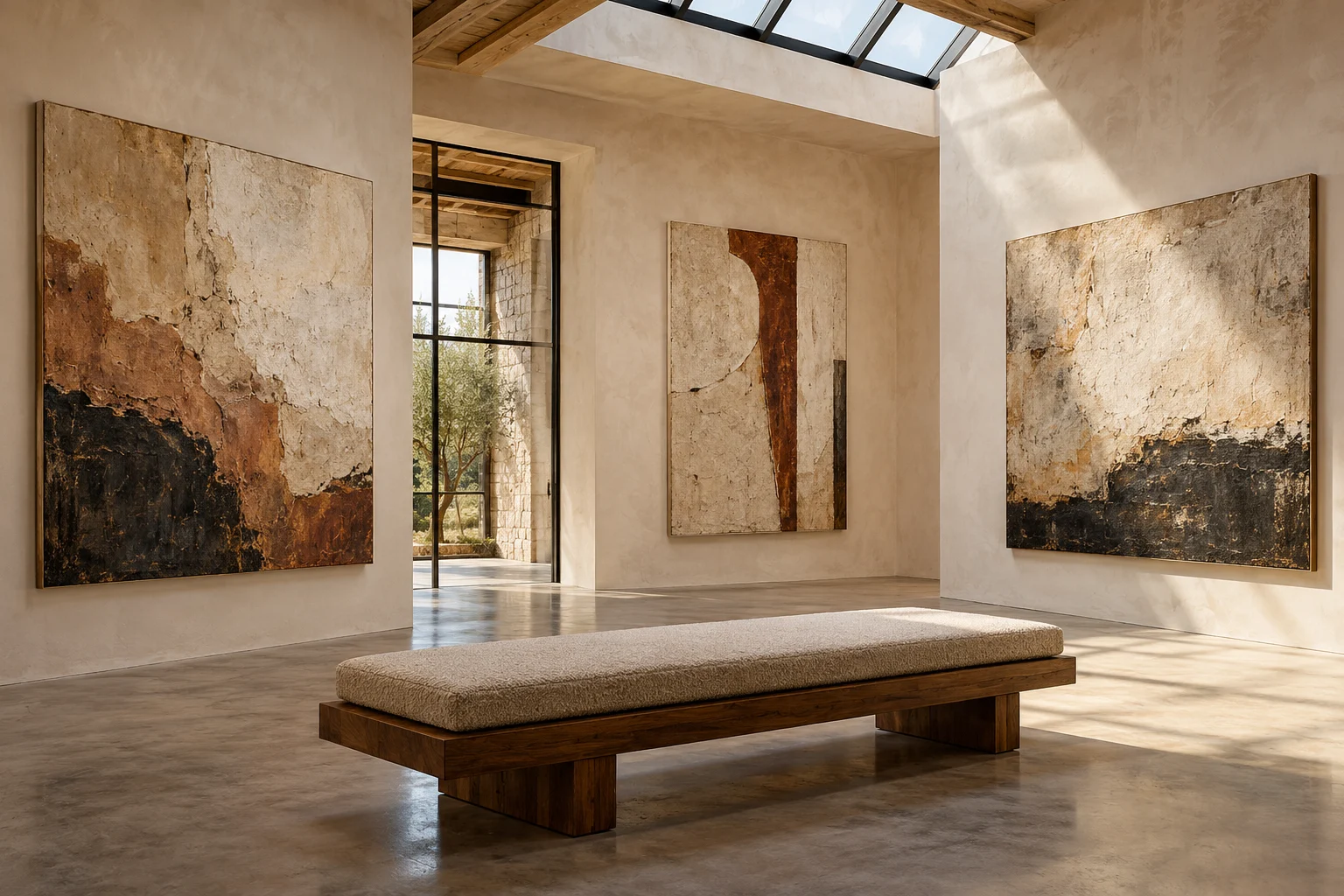
A single image can change the entire tone of a narrative. Whether you are preparing a presentation for a meeting in Plano or organizing a community newsletter for a neighborhood in Fort Worth, the photograph you select acts as a visual anchor. Choosing an image is not merely about finding something that looks beautiful; it is about matching the visual to the purpose of your communication.
The Weight of Context
When you look at a collection of photos, you might find yourself torn between two different moods. One image might be a sharp, bright landscape that feels energetic, while another might be a soft, candid shot that feels intimate. The decision rests on what you want the viewer to feel before they read a single word.
For example, if you are coordinating a busy schedule of home renovations and office deadlines, you might find yourself looking for an image to represent "productivity." You might choose a high-contrast photo of a clean, organized desk, or you might choose a slightly cluttered, warm photo of a kitchen table covered in planners and coffee mugs. The first suggests efficiency and clinical precision, while the second suggests the lived reality of a person managing multiple responsibilities. The tradeoff is between an idealized version of a concept and a relatable one.
Permissions and Intentions
Beyond the visual mood, the origin of the photograph dictates how you can use it. A personal photo from your own phone carries different implications than a professional shot found online or a piece of art owned by a family member. If you are using an image for a public-facing project, the question of permission becomes central to your planning.
Ask yourself who holds the rights to the image and whether those rights extend to your specific intended use. If the photo features other people, you may need to consider if those individuals have agreed to be part of your project. If you are unsure about the status of a particular image, ask a legal professional how to verify the necessary permissions for your specific medium.
Balancing Aesthetics and Utility
It is easy to become distracted by a photograph that is technically perfect—one with flawless lighting and professional composition. However, a "perfect" photo can sometimes feel disconnected from a local or personal story. A photo that is slightly imperfect but captures a specific, recognizable atmosphere often serves a narrative better than a sterile, high-end stock image.
As you build your checklist for selecting an image, consider these observations:
- Does the color palette complement the text surrounding it?
- Does the subject matter reinforce the specific point you are making?
- Does the image invite the viewer in, or does it stand apart from the message?
To finalize your choice, look at the image in the exact environment where it will live. If it is a digital slide, view it on a screen; if it is a printed flyer, hold a proof in your hands. The right photograph is the one that supports your words without shouting over them.