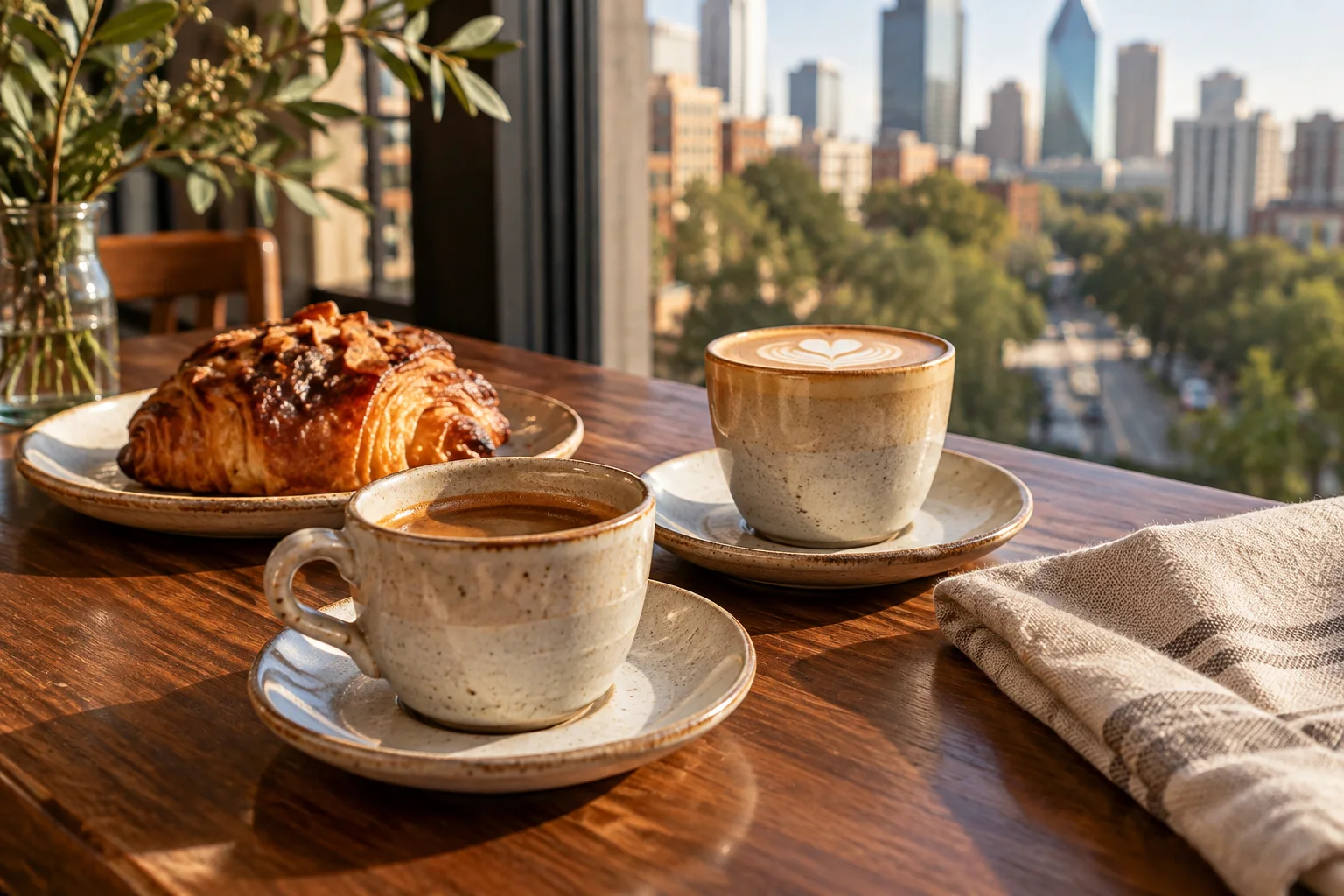
A favorite mug sits on the counter, but the liquid inside no longer hits the mark. Perhaps you recently switched to a new bag of beans, changed your water source, or moved from a quiet kitchen ritual to the bustling energy of a local Dallas café. When the variables of your morning change, your palate can feel unmoored. Without a way to track these shifts, you might find yourself cycling through various options that never quite satisfy, unable to pinpoint why the flavor feels off.
Isolating the Variables
To regain control, you must move beyond vague descriptors like "good" or "bitter." If you are testing different beans, try preparing them using the same basic method to see how the bean itself performs. Consistency in your observation is more important than any technical standard. Use a dedicated notebook or a digital memo to record your thoughts immediately after tasting.
Label every vessel. It is easy to forget which cup contains which roast once several are sitting on the table. Use masking tape or small slips of paper to mark each cup with the specific name or origin of the coffee. This prevents the mental fatigue of trying to remember which roast was which. Once the labels are set, you can focus entirely on the sensory experience rather than the logistics of the lineup.
Building a Sensory Library
Instead of focusing on the process, focus on the experience. Does the liquid feel heavy on your tongue, or is it light? Is the finish sharp or smooth? Does it remind you of something specific, such as toasted nuts or dried fruit? By using these descriptive anchors, you build a personal library of preferences that exists independently of any specific brand. This documentation transforms a fleeting moment of consumption into a repeatable record for your own taste.
For example, if you find yourself frequently visiting different neighborhood shops, you face a tradeoff between the convenience of a quick drive-thru and the intentionality of a seated experience. A quick cup is easy, but it offers fewer opportunities to sit and actually evaluate the quality. A seated experience allows you to notice the nuances of the drink, but it demands more of your time. The tradeoff is between speed and sensory clarity.
Evaluating Your Investment
Imagine you are trying to decide whether to subscribe to a specialty bean service or simply stick to your local grocer. If you only drink your coffee while rushing out the door, you may never realize that the premium service offers flavors you actually dislike. You might be paying for complexity that you do not have the time to appreciate. Without notes, you may continue to spend money on a product that fails to meet your actual needs.
The next time you feel dissatisfied with your morning cup, stop guessing and start documenting. Use your notes to look for patterns. If every coffee you label as "bright" ends up being discarded, you have learned something vital about your preference. Once you have identified these patterns, you can approach a barista or a shop owner with specific questions. Ask them which of their current offerings align with the specific flavor profiles you have recorded in your notes. By moving from vague dissatisfaction to specific observation, you turn a frustrating morning into a path toward a better cup.