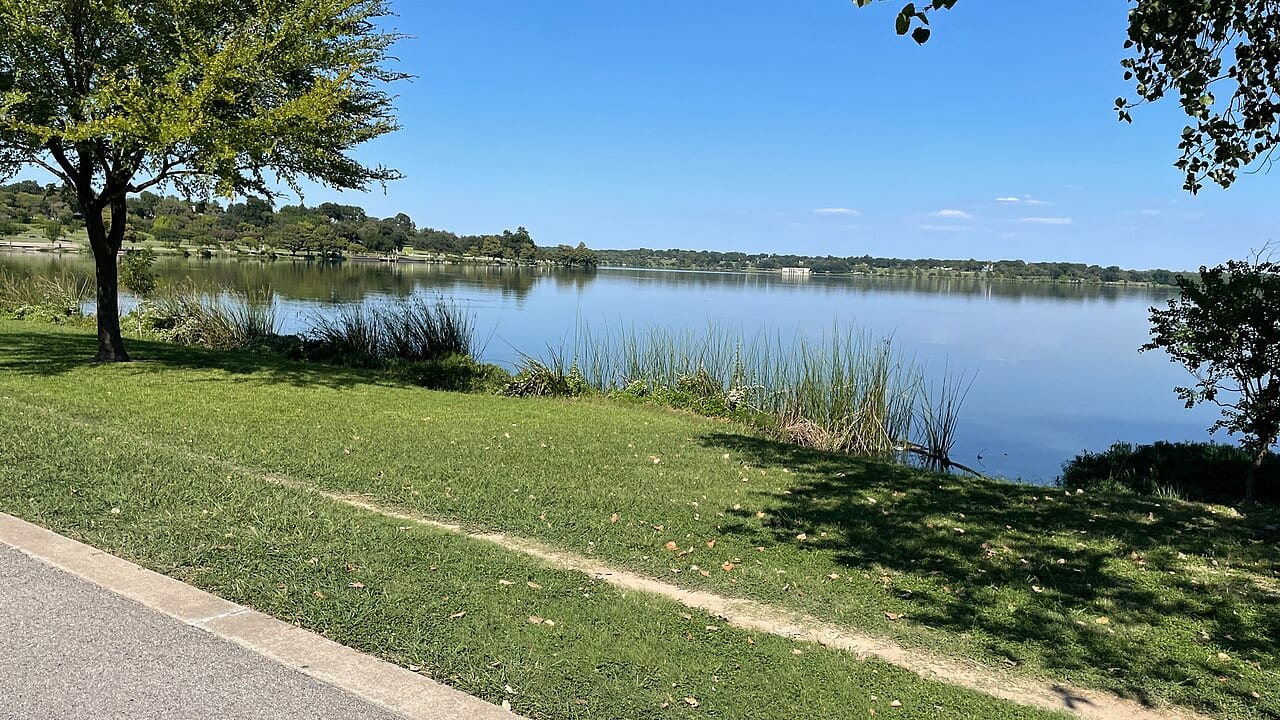
A trailhead, a shaded canopy, and a clear path are the ingredients for a successful morning outdoors. However, the most scenic route in North Texas can quickly become a source of tension if the group's collective needs are not addressed before the first step is taken. A successful outing depends on how well the chosen terrain matches the physical preferences and social rhythms of everyone involved. When the group arrives at the trailhead, the goal should be to move forward together, rather than managing individual frustrations along the way.
Aligning physical expectations
Before selecting a destination, consider the varying stamina levels of your companions. A distance that feels brisk to one person might feel daunting to another. Rather than assuming a standard length, ask your group members about their preferred walking distances and the specific conditions they find comfortable. Some may prioritize flat, paved surfaces, while others might seek out uneven dirt paths or elevation changes. Determining these preferences early allows you to select a location that minimizes the risk of someone feeling left behind or overexerted.
For example, if you are organizing a walk for a group of five, you might find that two members prefer a gentle stroll through a park, while the others are looking for a more rigorous trek. The tradeoff here is between a route that challenges the most active members and one that remains inclusive for everyone. You might choose a longer loop that offers a shorter, more accessible branch for those who wish to turn back early, ensuring the group can reconvene at a central point.
Navigating different communication styles
Group dynamics are often shaped by how people interact while moving. Some walkers use a trail as a space for deep, uninterrupted conversation, while others may prefer the quiet of the outdoors or need to focus on their breathing and footing. This becomes particularly significant if the group includes individuals with different communication preferences or sensory needs. Managing these subtle social requirements can be just as important as managing the physical route.
Imagine a group where one person finds constant chatter exhausting, while another feels disconnected if the group falls into silence. To manage this, you might suggest a loose agreement on the pace. You could discuss whether the group intends to walk in a tight formation for conversation or if it is acceptable for people to drift ahead or fall behind to enjoy a moment of solitude. Establishing these social boundaries early prevents the feeling that someone is being ignored or, conversely, that someone is being overwhelmed by the social energy of the group.
Verifying the path ahead
Local knowledge is a vital tool, but it can quickly become outdated. Conditions on a trail can change due to recent weather or maintenance. Ask the local parks department or the relevant authority about the current status of the intended route. Are there any closures, unexpected obstacles, or changes to the terrain that might affect the group's experience? Knowing whether a path is currently muddy, closed for repairs, or obstructed by fallen debris can save a group from a difficult or frustrating detour.
It is also helpful to agree upon a signal for changing plans. If the heat becomes intense or the terrain proves too difficult, how will the group decide to head back? Having a predetermined way to pivot—whether it is a verbal check-in at specific intervals or a consensus vote—ensures that the decision to end the walk is made smoothly and without frustration. By addressing distance, social rhythm, and route status beforehand, you transform a simple walk into a coordinated group experience where everyone feels heard and prepared.